Food Guru Travel Note
Travel has always been my favorite way to understand a place. Not through museums or monuments first, but through kitchens, markets, and the quiet rules people cook by without thinking about them. In Milan, a city known as much for restraint as for style, a small cooking class taught me something I did not expect. Sometimes what is missing from the table tells you more about a culture than what is served.
⸻
Where Did The Garlic Go?
When we arrived at our small group cooking class in Milan last November, I did what I always do when stepping into a kitchen. I scanned the prep tables.
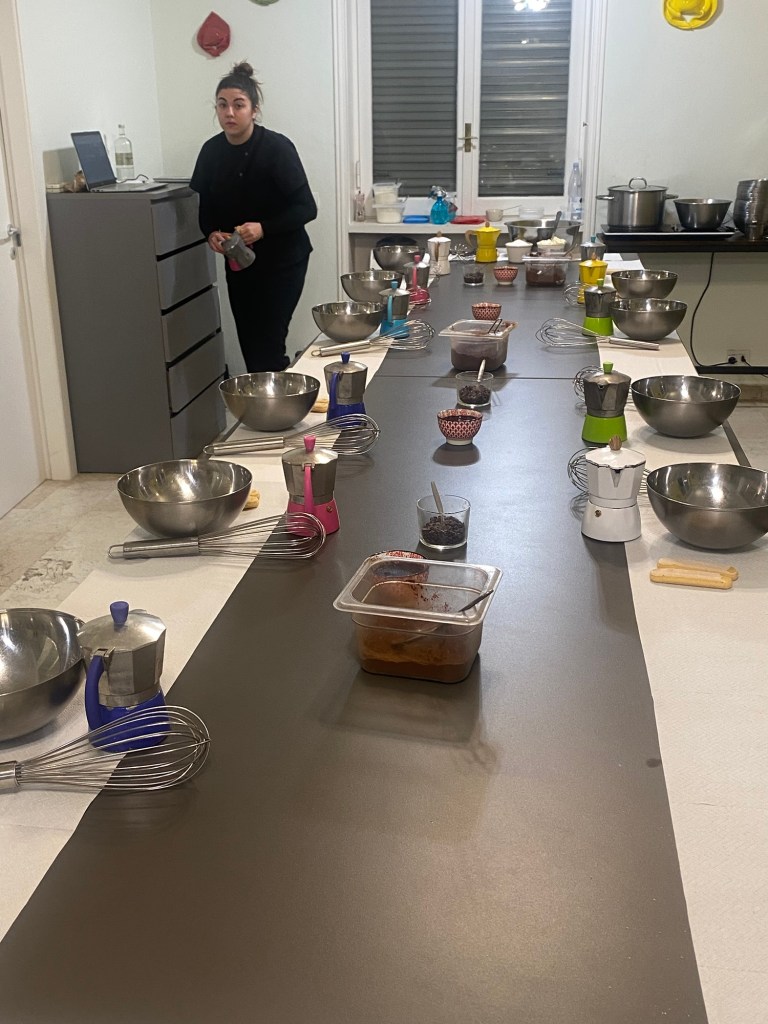
There were bowls of tomatoes, bottles of olive oil catching the light, fresh herbs tied in loose bundles, flour neatly mounded for pasta dough. Knives were lined with intention. Prosecco was already flowing.
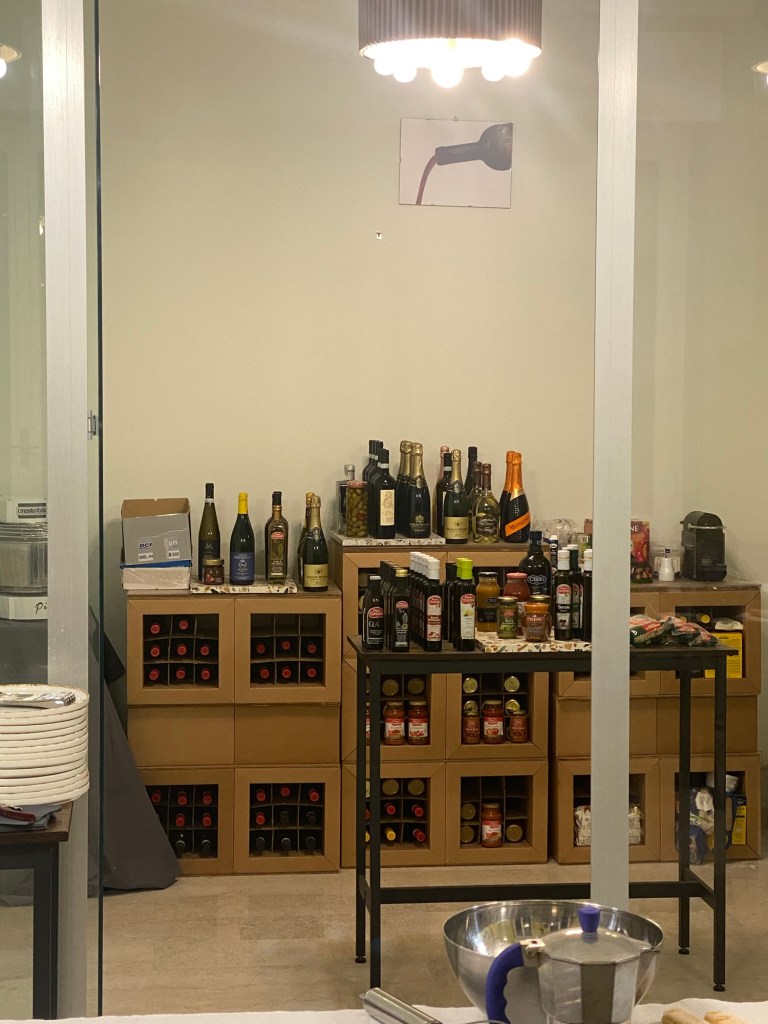
But something was missing.
No garlic.
No onions.
Not on the tables. Not waiting to be chopped. Not tucked away for later. I felt an immediate, almost instinctive disappointment. Garlic and onion are muscle memory for me. They are the beginning of nearly everything I cook.
So when our chef explained, calmly and without ceremony, that most Italians do not cook with garlic *gasp* and onion together, I was genuinely surprised and damn near spit my Prosecco out!
Say It Isn’t True!
She explained that they compete. Garlic is sharp and declarative. Onion is sweet and grounding. In Italian cooking, aromatics are not meant to overlap unnecessarily. One voice leads the dish.
At first, this felt restrictive. Then it made sense.
Because I was not raised in Italy.
I was raised in San Antonio, where garlic and onion arrive together and early. Where Tex-Mex cuisine builds flavor boldly and generously. Where onion, garlic, chili, and cumin are layered with confidence and expectation. In that kitchen logic, more aromatics mean more comfort. More depth. More soul.
And because I could not let a statement like that go without digging a little deeper…
⸻
A Matter of Region, Not Rules
Of course, I had to do some research and fact checking on this crazy claim.
Because telling a room full of cooks that Italians do not use garlic and onion together feels almost heretical. Garlic and onion are so deeply embedded in how many of us cook our versions of Italian food that the idea of separating them seems unnatural, even wrong.
But the more I read, the more it became clear that our chef was not making a sweeping declaration. She was speaking from a regional truth.
In Northern Italy, particularly in Lombardy and nearby Piedmont, onion is favored for its sweetness and subtlety. Garlic is used sparingly, if at all, and rarely alongside onion. The goal is clarity. Butter, wine, and gentle aromatics support the main ingredient rather than compete with it.
Move south and the rules soften. In regions like Campania, Calabria, and Sicily, garlic plays a much more prominent role. Hotter climates and rustic traditions favor bolder flavors. Garlic and onion may appear together, especially in tomato based sauces and long simmered dishes, though even there one usually leads while the other supports.
Understanding this made the absence of garlic and onion together in Milan feel less surprising. Italian cooking is not built on universal rules. It is built on geography, climate, and habit. What feels essential in one region can feel unnecessary in another. Once you see that, the kitchen starts to make a lot more sense.
In Milan, the philosophy was different.
Flavor was not something to stack.
It was something to reveal.
Let Food Reveal Your Soul
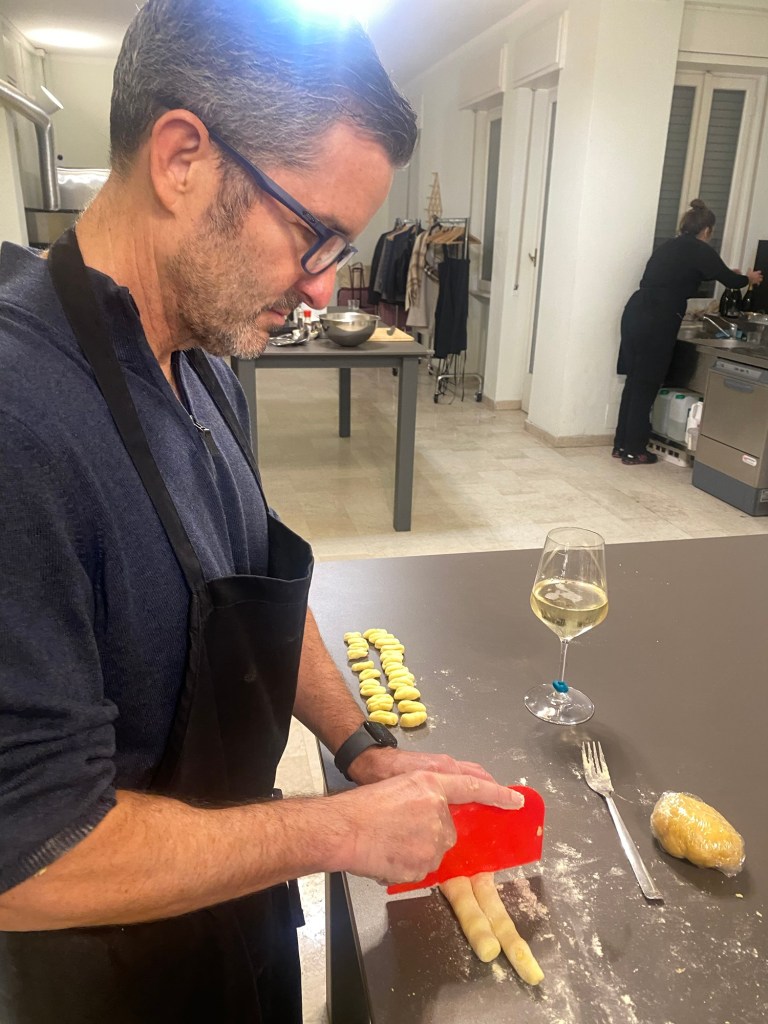
As we cooked, we learned to make pillowy gnocchi with a light hand and delicate ravioli that required patience and restraint. Nothing was rushed. Nothing was excessive. Each ingredient had a clear role.


Then came the tiramisu.
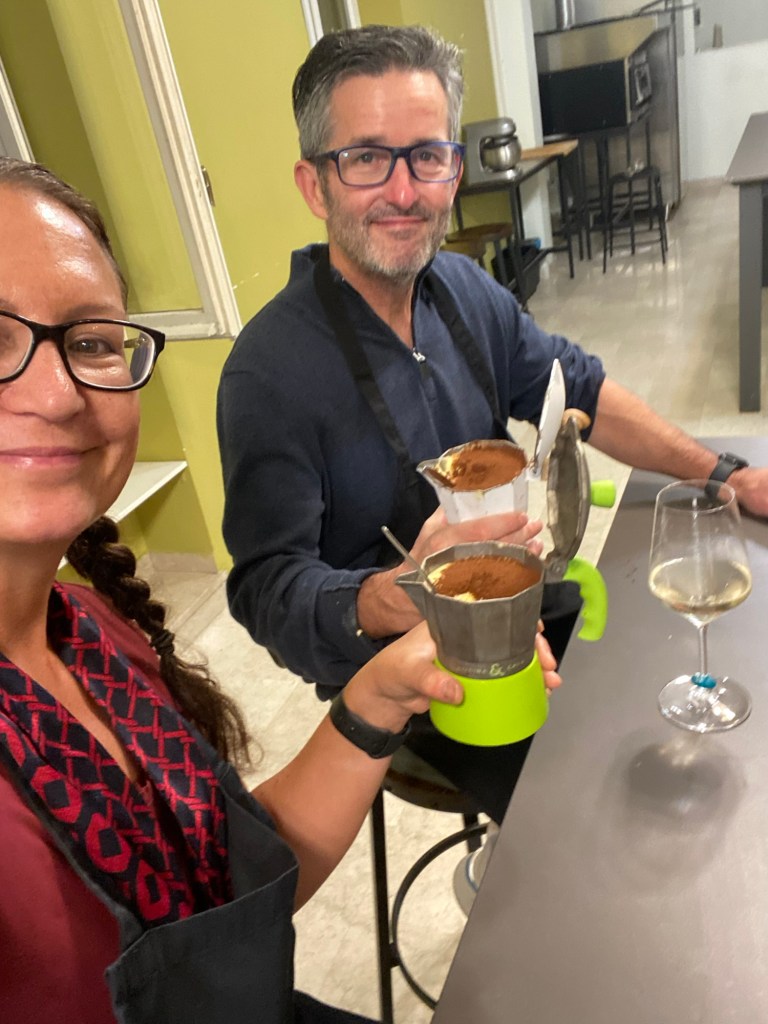
Another surprise.
There was no cream at all. Just eggs, sugar, mascarpone, and espresso. But the chef added her own signature touch. Fine cocoa powder layered between the mascarpone and micro shavings of dark chocolate folded into the dessert and sprinkled generously on top. The result was lighter, more balanced, and deeply satisfying without feeling heavy. Elegant, but still indulgent.
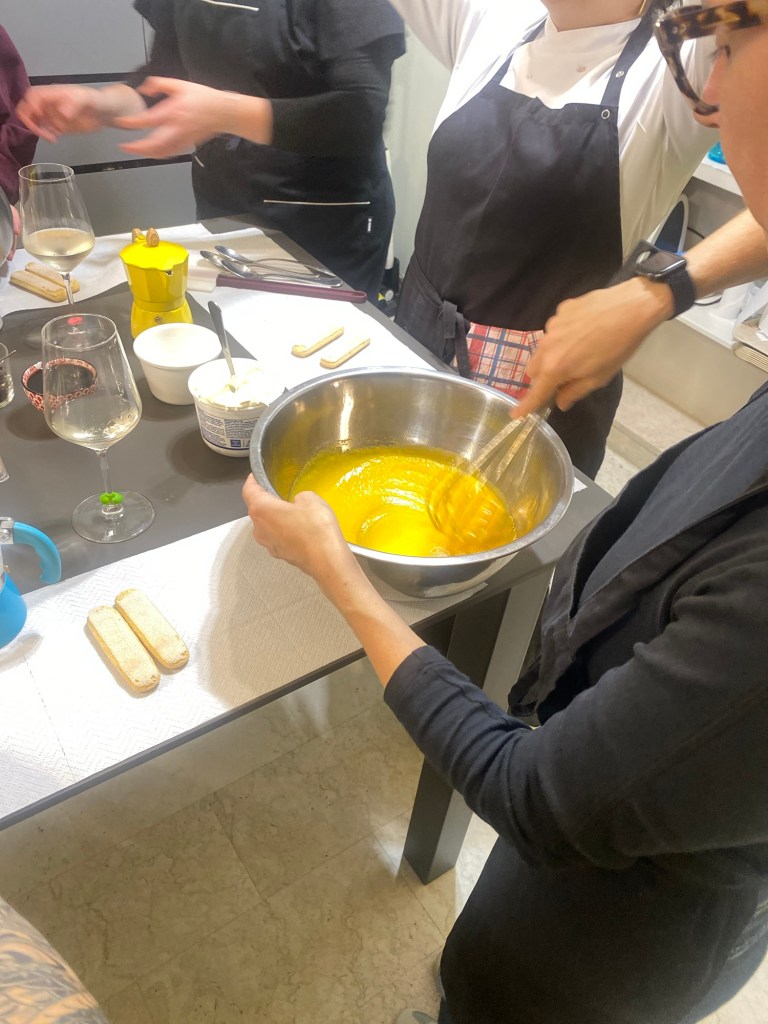
Somewhere between rolling pasta dough and sipping Prosecco, I noticed something else unexpected.
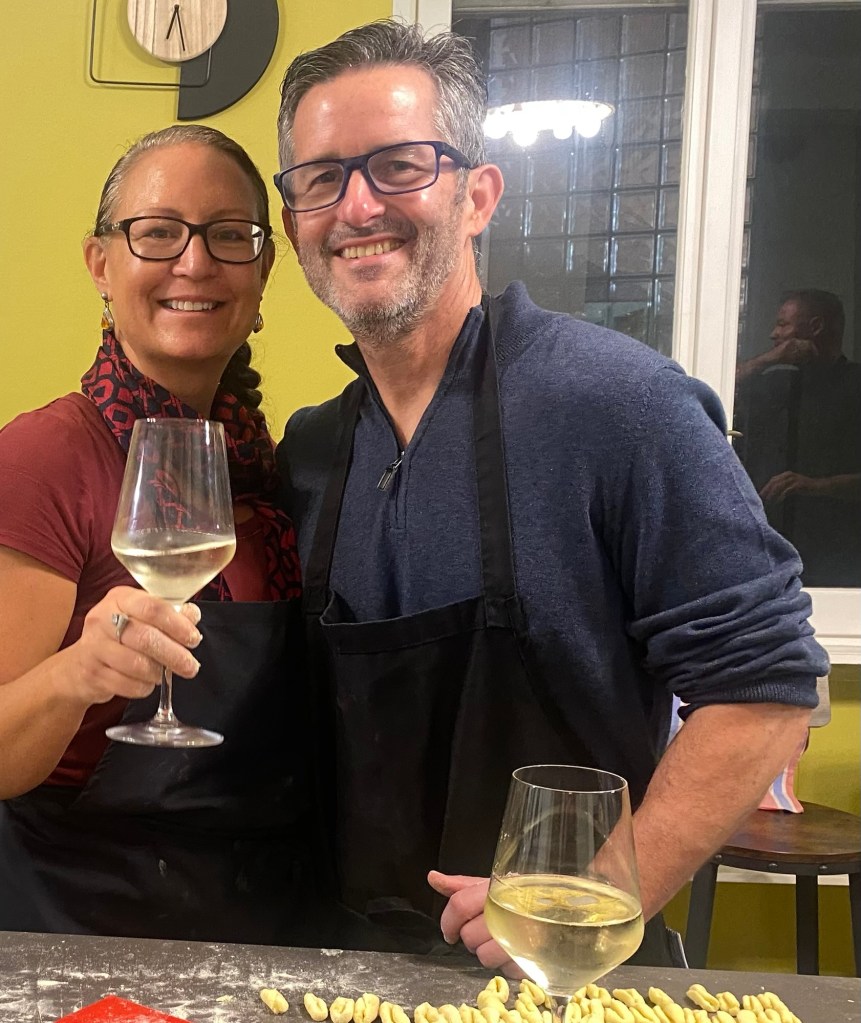
My husband was having fun.
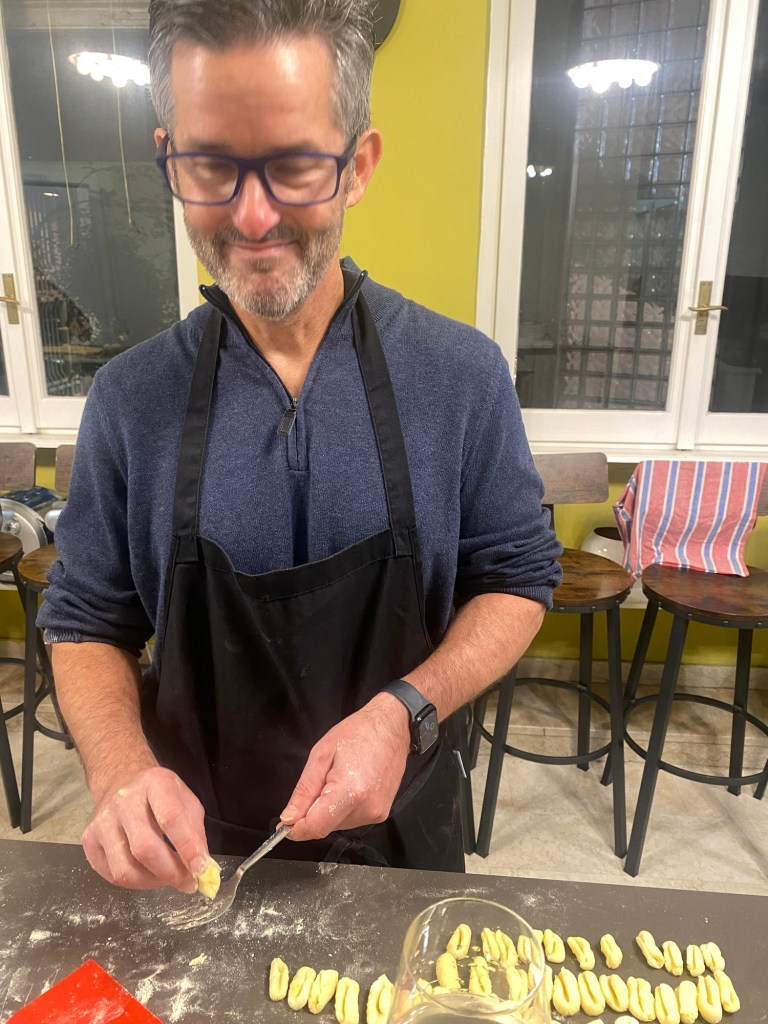
Let’s be clear…he is never in the kitchen. His only cooking credentials include Econo-Buy pizzas in college and keeping himself alive while hiking the Appalachian Trail in 2022. Two thousand two hundred miles over five months will teach you how to eat, not how to cook.
So imagine my surprise when he was engaged, asking questions, shaping pasta, and clearly enjoying the process. There was something about the simplicity of the ingredients and the clarity of technique that made the kitchen feel approachable, even inviting.
By the end of the class, my initial disappointment had shifted into appreciation.
Garlic was not missing because it lacked importance. Onion was not excluded because it was unwelcome. Each simply had its place, and rarely together.
It did not mean my way of cooking was wrong. It meant it came from somewhere else.
From a hot Texas kitchen where abundance is celebrated. From a culture that builds flavor boldly and without apology. From a place where garlic and onion walk in side by side and feel right at home.
Italy was not asking me to give that up.
It was offering another way of listening to food.
And once you notice it, you start to pause before you chop. You start to ask what the dish actually wants to be before deciding how loudly to season it.

 The Food Guru: Food, Travel, Photography = Life