Why We Need Both
Travel teaches us how to move through unfamiliar places.
Food teaches us how to slow down and savor them.
And somewhere between hunger and arrival, we learn what matters.
Food and travel have always been my way of understanding the world. They pull me into the present moment. They ask me to notice flavors, textures, people, stories. They remind me that the best experiences are rarely the most efficient ones, and that discomfort often precedes discovery.
Lately, I’ve been thinking about how this applies not just to how we eat or where we go, but to how we evolve.
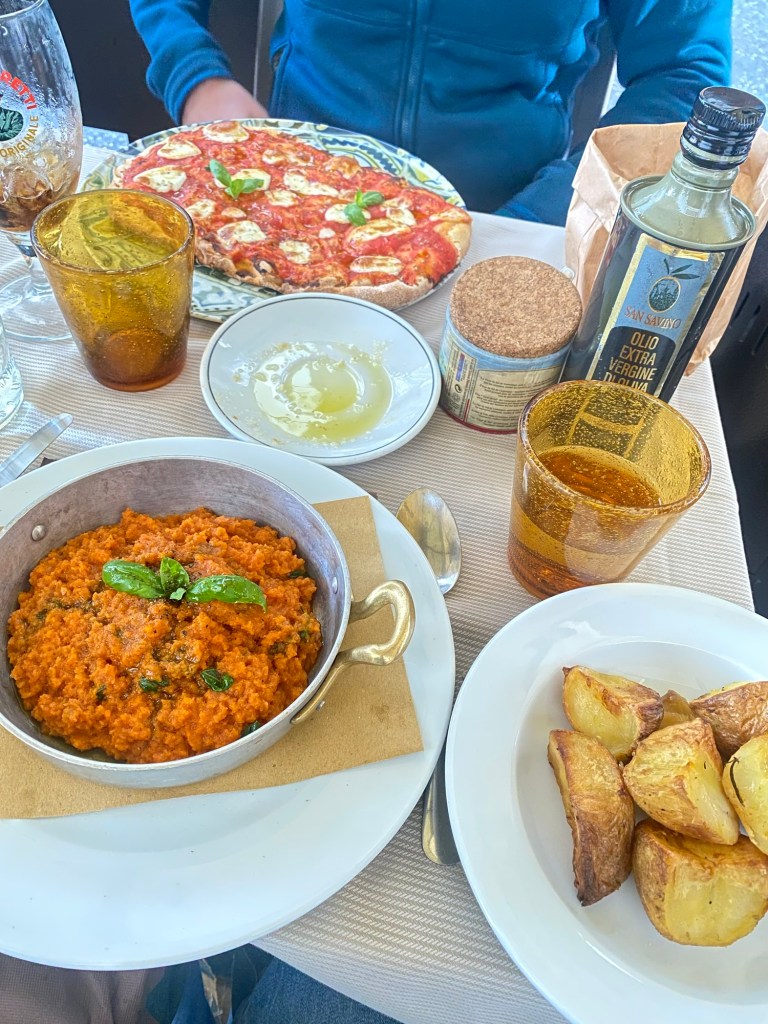
We are living at a moment in human history where our tools have begun to mirror our minds.
Artificial intelligence can now model reality, detect patterns we miss, and help us navigate complexity at a scale no individual human ever could. It can map possibilities, forecast outcomes, and reflect our own thinking back to us with unsettling clarity.
In this sense, AI may help humanity navigate reality showing us where we are, where we might go, and what paths we are statistically likely to take.
But navigation is not the same as meaning.
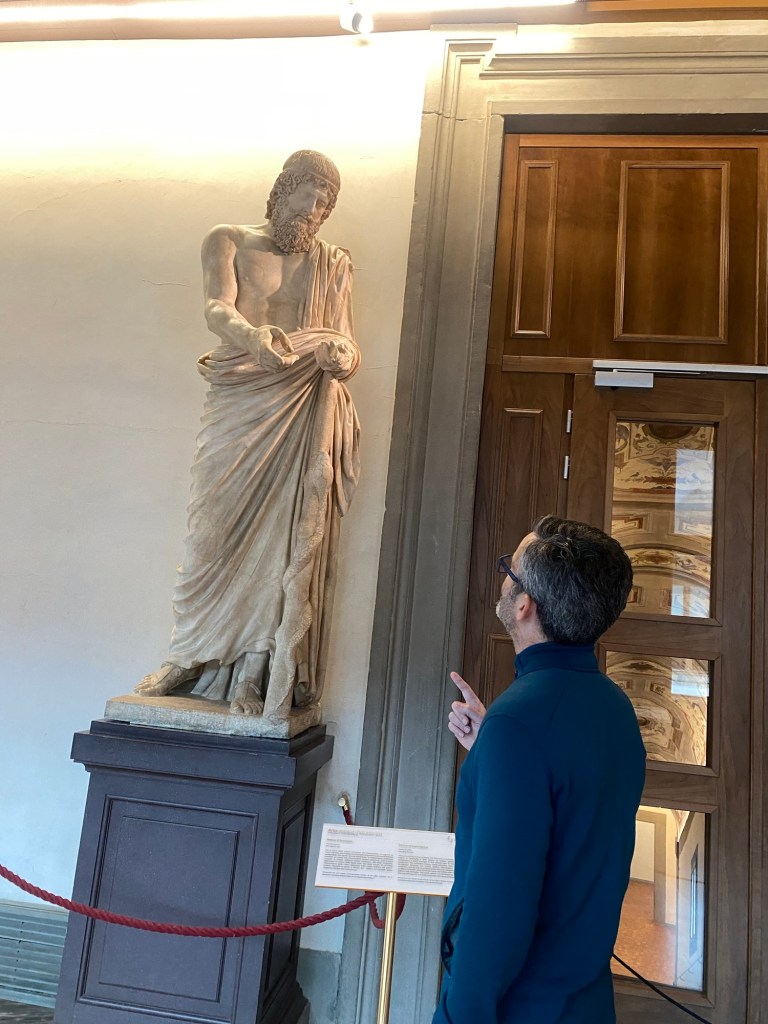
Meaning has always come from a different source: lived experience.
And more specifically, from suffering.
Suffering is one of the most universal and defining aspects of being human. We experience pain not only in our bodies, but in memory, identity, anticipation, and loss. We grieve what we love, fear what we might lose, and ache for what we cannot yet reach.
These experiences are not glitches in our system. They are what teach us how to value the moments when pain recedes and when life feels stable, joyful, or whole.
Without suffering, joy would be weightless.
Without contrast, meaning would flatten.

This is why suffering, while never something to seek or glorify, is profoundly formative.
It sharpens empathy.
It deepens gratitude.
It turns survival into wisdom.
When we move through pain with awareness, we often emerge more grounded, more compassionate, and more capable of recognizing what truly matters. Much like travel itself, the moments that challenge us tend to be the ones we carry longest.

This is where the balance becomes essential.
AI may help humanity navigate reality.
Suffering teaches humanity how to value it.
Growth requires both.
If we rely only on tools, we risk becoming efficient but hollow, able to optimize outcomes without understanding why they matter.
If we rely only on suffering, we risk chaos, despair, or needless harm without direction or relief.
Growth happens when navigation is guided by value, and when value is supported not erased by our tools.
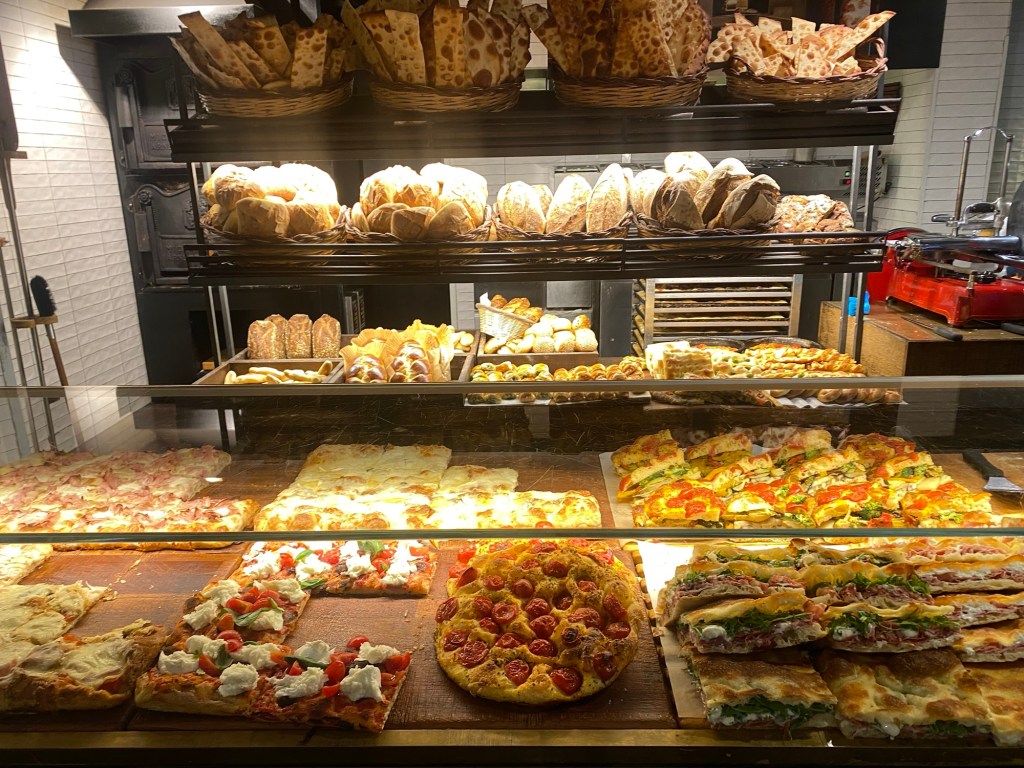
We already see this tension in how we travel and eat.
We carry maps in our hands that can tell us exactly where to go, but the meals we remember most, the places that change us, and the moments that stay with us rarely follow the fastest route. They come from detours, mistakes, shared tables, and experiences that can’t be optimized.
AI can help us move through the world more intelligently.
Suffering teaches us why we should care where we’re going.
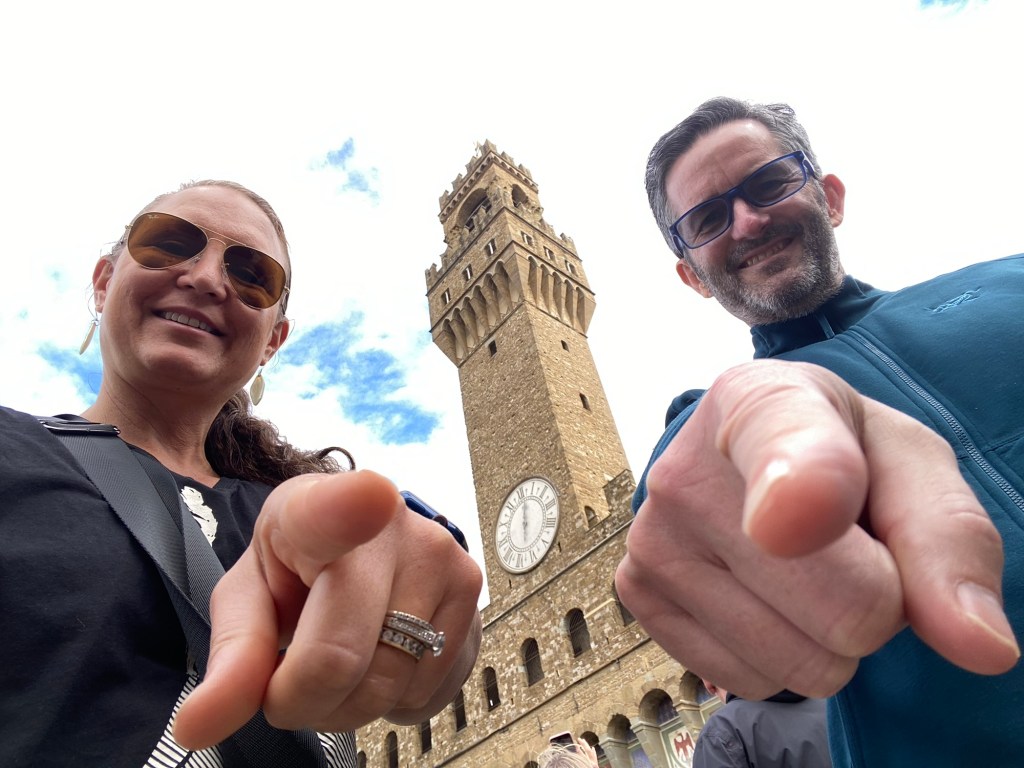
The real challenge of our time is not whether AI will become more intelligent. It already is, in narrow and accelerating ways.
The deeper question is whether we humans can mature alongside it by resisting the urge to eliminate all discomfort, while still working to reduce unnecessary suffering.
Suffering teaches us how to care.
AI can help us decide how to act on that care.
If we can hold both without ego, without fear, without losing our humanity, then the next human evolution will not be faster minds or cleaner systems or perfect control.
It will be our ability to hold intelligence and tenderness in the same hand, to see clearly and feel deeply. To navigate reality without losing our reason for living in it.
And perhaps that understanding begins the same way it always has:
by slowing down, paying attention, and remembering what truly nourishes us.
How do YOU feel about AI right now?

 The Food Guru: Food, Travel, Photography = Life